







Direct Settlement & Visa Programs for Netherlands
Why Migrate to Netherlands in 2026?
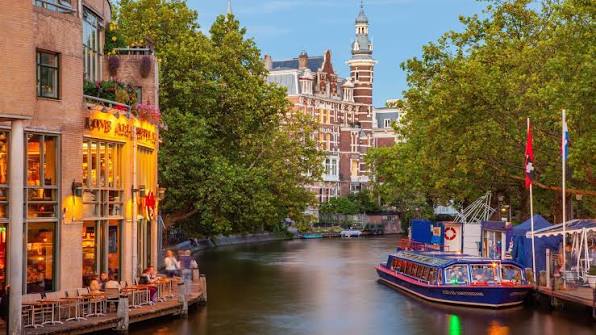
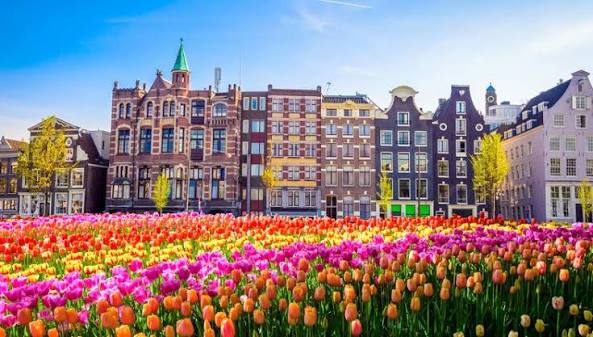
The Netherlands stands as one of Europe’s premier destinations for international students, ambitious professionals, and global families. Famed for its picturesque canals, progressive culture, world-class higher education system, and thriving economic landscape, the country offers an exceptional standard of living. For anyone planning to migrate, study, or build a long-term future in the Netherlands, understanding the intricate framework of visas, requirements, living costs, and post-graduation opportunities is essential.
1. Why Choose the Netherlands? Key Advantages
Relocating to the Netherlands provides an array of distinct academic, professional, and personal benefits:
-
Globally Renowned Education System: Dutch research universities and universities of applied sciences (HBO) consistently rank among the best in the world, offering thousands of English-taught programs.
-
A High English Proficiency Environment: Although Dutch is the official language, the Netherlands is one of the non-native English-speaking countries with the highest fluency rates globally, making daily life, work, and study seamless for newcomers.
-
Strategic European Hub: Situated at the heart of Europe, the Netherlands boasts exceptional connectivity, making travel and international business across the European Union effortless.
-
Innovation and Career Opportunities: Home to global headquarters, major tech hubs, and thriving startup ecosystems, the country creates robust employment paths for international graduates.
-
Exceptional Work-Life Balance: Dutch culture prioritizes personal well-being, flexible working arrangements, safety, and an active outdoor lifestyle supported by world-class cycling infrastructure.
2. Pathways to Relocating: Study Visas and Permits
Moving to the Netherlands typically begins with securing the correct legal authorization. For students, the immigration process involves a structured, sponsor-backed mechanism handled jointly with the Dutch Immigration and Naturalisation Service (IND).
A. The Student Visa Process (MVV & VVR)
Unlike countries where applicants navigate immigration independently, the process in the Netherlands relies heavily on your educational institution acting as a recognized sponsor:
-
Secure University Admission: You must first apply through Studielink or directly to a recognized Dutch institution and receive an unconditional admission letter for a full-time program.
-
University Application Submission: Your university submits the combined entry visa (MVV – Machtiging tot Voorlopig Verblijf) and residence permit (VVR – Verblijfsvergunning Regulier) application to the IND on your behalf.
-
Financial Proof and Fee Payment: You must prove financial self-sufficiency to cover living expenses (approximately €1,131 per month for university/HBO students, excluding tuition). Visa processing fees (around €254) are paid directly through the university.
-
IND Approval and Embassy Collection: Once approved within the standard 2-to-6-week processing window, you collect your MVV entry sticker from your local Dutch embassy or consulate and travel to the Netherlands within 90 days.
-
Local Registration and Biometrics: Upon arrival, you register with your local municipality to receive your Citizen Service Number (BSN), collect your biometric residence card, and activate mandatory health insurance.
B. Post-Graduation Pathways: The Orientation Year (Zoekjaar)
Following the completion of a bachelor's, master's, or postgraduate degree at a recognized Dutch institution, graduates can apply for the Orientation Year residence permit within three years of graduation. This permit grants one full year of unrestricted access to the Dutch labor market without requiring a separate work permit, making it an ideal bridge into full-time professional employment or entrepreneurship.
3. Cost of Living, Housing, and Financial Planning
Managing your budget effectively requires a realistic understanding of expenses in the Netherlands:
-
Accommodation and Rent: Finding housing in major student hubs like Amsterdam, Utrecht, Rotterdam, and The Hague can be competitive. Rent varies widely depending on whether you live in university-managed housing or private shared apartments.
-
Living Expenses: Beyond rent, students and residents budget for groceries, public transportation (using the national OV-chipkaart system), utilities, and mandatory health insurance, which ranges between €100 and €150 per month.
-
Part-Time Work Rights: International students holding a valid study residence permit are permitted to work part-time (up to 16 hours per week during term time, or full-time during the summer months of June, July, and August), though employers must secure specific work authorizations (TWV) where applicable.
4. Practical Checklist for Settling In
-
Secure Verified Housing: Arrange your accommodation well before arrival, as a formal lease agreement is often required for municipal registration.
-
Complete Municipal Registration: Visit your local Gemeente (municipality) within your first days of arrival to register your address and obtain your BSN.
-
Open a Local Bank Account: Set up banking with established institutions (such as ING, ABN AMRO, or Rabobank) to manage local transactions, stipends, and salary deposits.
-
Maintain Academic Progress: International students must maintain satisfactory study progress, earning at least 50% of the required academic credits each year to ensure their residence permit remains valid.
Processing Time
1 to 3 Months
Success Rate
99.4% Verified Outcome
Citizenship Timeline
5 Years of Continuous Residence
Visa Services for Netherlands


Netherlands Fact Sheet
Europe & UK RegulationsAll Immigration Services
Need Guidance for Netherlands?
“Authorised Overseas Immigration & Global Visa Solutions”