







Direct Settlement & Visa Programs for Malta
Why Migrate to Malta in 2026?
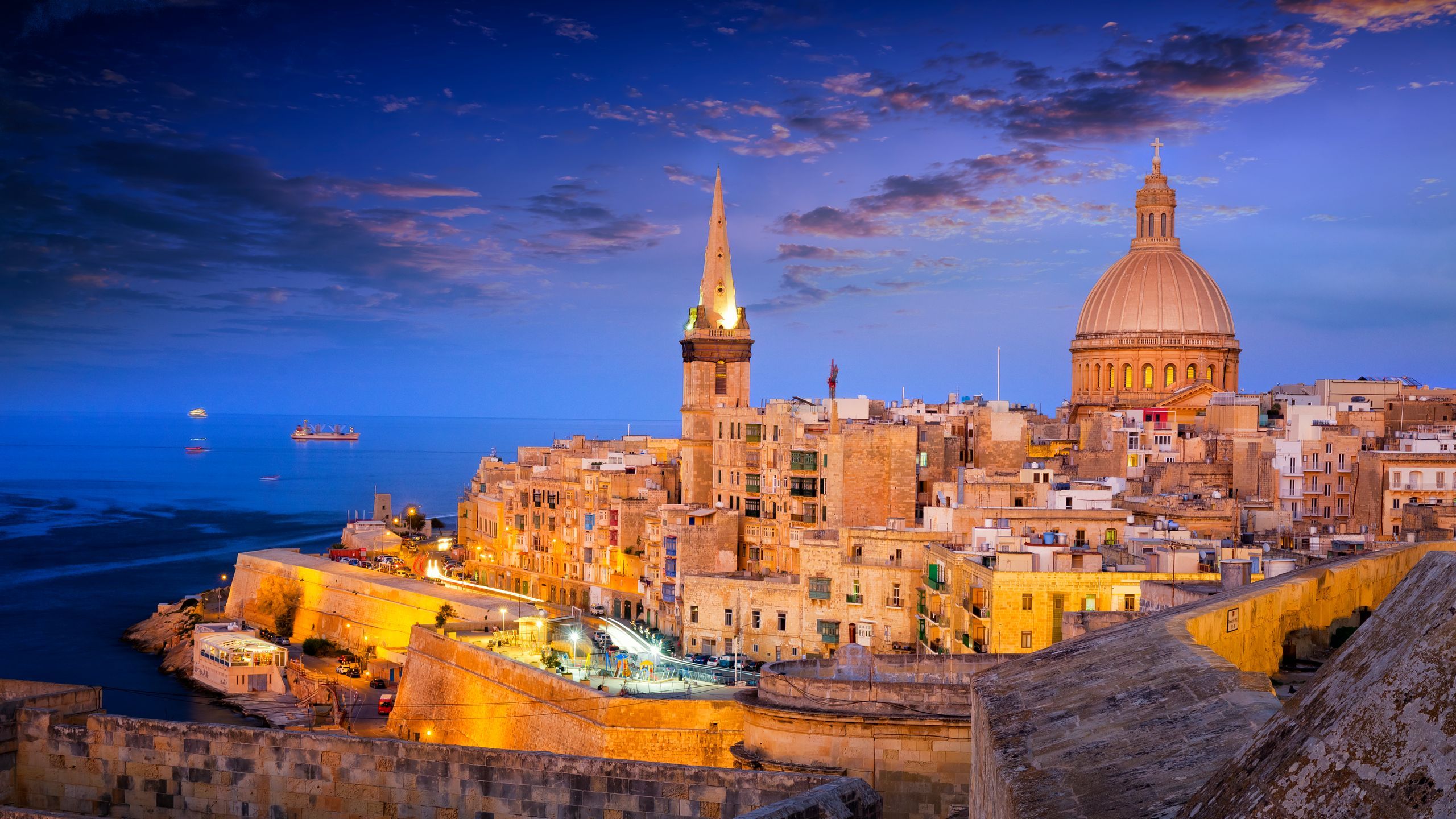
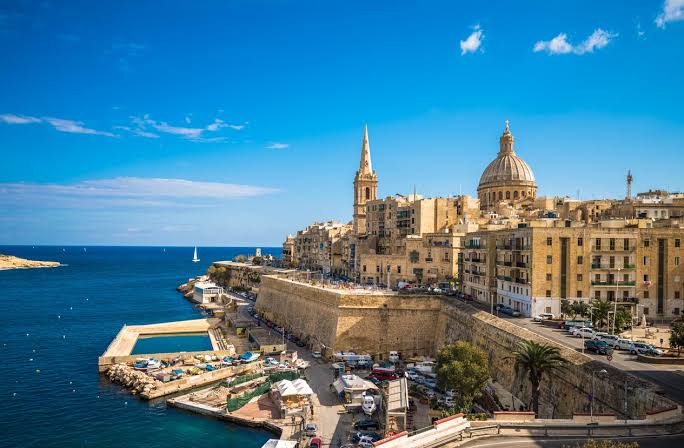
Malta has rapidly established itself as one of the most desirable destinations in Europe for professionals, families, retirees, and international students. Situated strategically in the heart of the Mediterranean Sea, this archipelago combines a rich historical legacy with a dynamic, forward-looking economy. For anyone considering relocation in 2026, Malta offers an appealing blend of economic opportunity, EU mobility, exceptional safety, and an enviable Mediterranean lifestyle.
1. Why Malta? The Key Benefits of Relocating
Relocating to Malta provides a wide array of distinct advantages that attract thousands of expatriates every year:
-
Schengen Area and EU Membership: As a full member of the European Union and the Schengen Zone, residing in Malta grants individuals freedom of movement across participating European nations, making travel and cross-border business seamless.
-
An English-Speaking Environment: Unlike many continental European countries where learning the local language is an immediate barrier to entry, English is one of Malta’s two official languages. Government administration, higher education, legal systems, and corporate business are all conducted primarily in English.
-
A Thriving Economy and Job Market: Malta boasts robust sectors in digital gaming, financial services, fintech, iGaming, aviation, maritime, and information technology, creating a continuous demand for skilled global talent.
-
Favorable Climate and Lifestyle: Enjoying over 300 days of sunshine annually, residents can experience mild winters and warm, beautiful summers alongside stunning coastal landscapes and historical architecture.
-
Top-Tier Safety and Healthcare: Malta consistently ranks as one of the safest countries in Europe. Furthermore, its healthcare infrastructure is widely recognized as modern, efficient, and accessible to legal residents.
2. Pathways to Residency and Immigration
Moving to Malta requires selecting the right legal pathway depending on your professional status, financial standing, or family ties. The country offers multiple routes to legal stay and residency:
A. Employment and Work Visas
For professionals securing a job with a Maltese registered company, the Single Work Permit is the standard route. Employers typically sponsor the work permit and visa application, proving that the specialized skills required could not be easily sourced locally or within the EU.
B. Study Visas
International students enrolling in full-time courses at recognized Maltese educational institutions can apply for a student visa. This route allows individuals to experience European education while adhering to local immigration laws regarding part-time work rights and attendance compliance.
C. The Malta Permanent Residence Programme (MPRP)
For individuals of independent means and investors, the MPRP offers a structured pathway to secure permanent residency in Europe. By meeting specific real estate investment or rental criteria, government contributions, and philanthropic donations, successful applicants and their dependents can obtain lifelong residency rights in Malta.
D. Digital Nomad Nomad Residence Permit
Recognizing the rise of remote work, Malta introduced the Nomad Residence Permit. This allows non-EU nationals who can work remotely using telecommunications technology to legally reside in Malta while maintaining employment contracts with companies registered outside of Malta.
3. Cost of Living and Housing in Malta
Understanding the financial landscape is critical before making the move. While Malta offers a high standard of living, costs have evolved in recent years:
-
Accommodation: Rent varies significantly depending on the location. Popular coastal hubs like Sliema, St. Julian’s, and Gzira command higher prices due to high demand and proximity to commercial centers. More affordable housing options can be found further inland or in Gozo.
-
Utilities and Transport: Public transport buses are heavily subsidized and economical, though many residents opt to buy or rent cars given the compact size of the islands. Utility bills (electricity and water) are generally manageable, though air conditioning during peak summer months can increase consumption.
-
Dining and Entertainment: Malta offers a diverse culinary scene, ranging from traditional local pastizzerias to high-end Mediterranean fine dining. Groceries are reasonably priced, with a mix of local fresh produce and imported goods.
4. Setting Up Your Life: Practical Steps
Transitioning to a new country involves several important administrative milestones:
-
Securing Accommodation: Finding a long-term rental property and signing a registered lease agreement is usually the first formal requirement, as a local address is needed for subsequent registrations.
-
Obtaining a Tax Identification Number (TIN): Essential for employment, opening bank accounts, and compliance with Maltese tax authorities.
-
Healthcare Registration: Securing comprehensive health insurance (mandatory for certain visa types) or registering with the national healthcare system if eligible through employment contributions.
-
Opening a Local Bank Account: Partnering with local or international banks operating in Malta to manage day-to-day finances and salary deposits.
Processing Time
4 to 6 Months
Success Rate
99.4% Verified Outcome
Citizenship Timeline
5 Years of Continuous Residence
Visa Services for Malta

Malta Fact Sheet
Europe & UK RegulationsAll Immigration Services
Need Guidance for Malta?
“Authorised Overseas Immigration & Global Visa Solutions”